
I am a cognitive and computational neuroscientist studying how the brain transforms sensory information, internal goals, and reward expectations into adaptive decisions and actions. My research combines computational modeling, neurophysiological data analyses, and eye tracking to uncover the neural mechanisms underlying attention, decision-making, and cognitive control.
I am currently a postdoctoral researcher in the Computational Neuroscience Unit at the Centre de Recerca Matemàtica, working with Dr. K. Wimmer, and collaborating with the Theoretical and Cognitive Neuroscience group led by Prof. R. Moreno-Bote at the Center for Brain and Cognition at Universitat Pompeu Fabra in Barcelona.
Highlights
A visual overview of representative works. Click on any of the figures below to explore the corresponding publication.
Vivar*, Ferro* et al. bioRxiv 2026. (*equal contribution, random order)
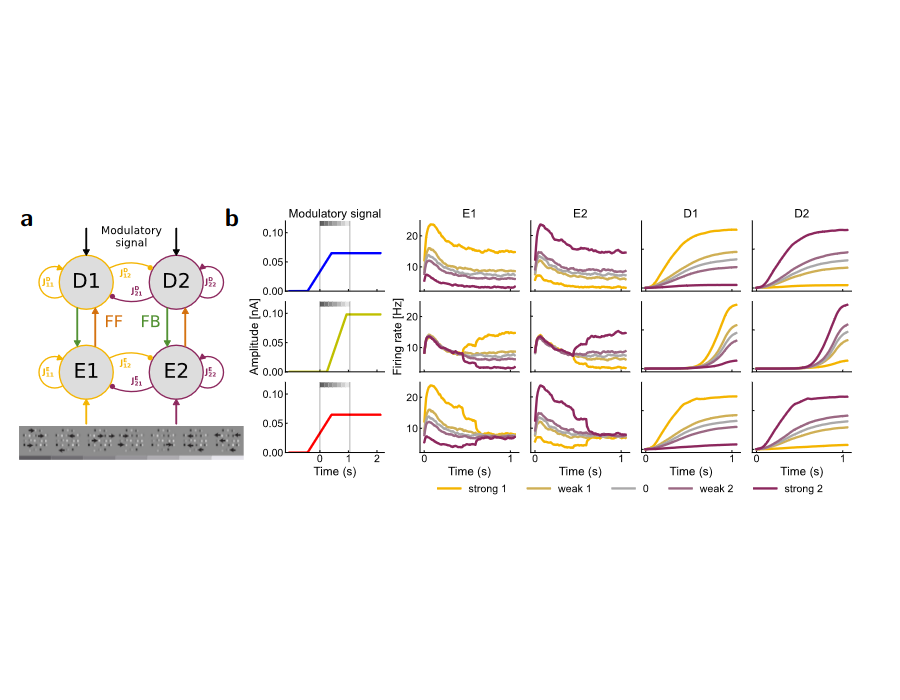
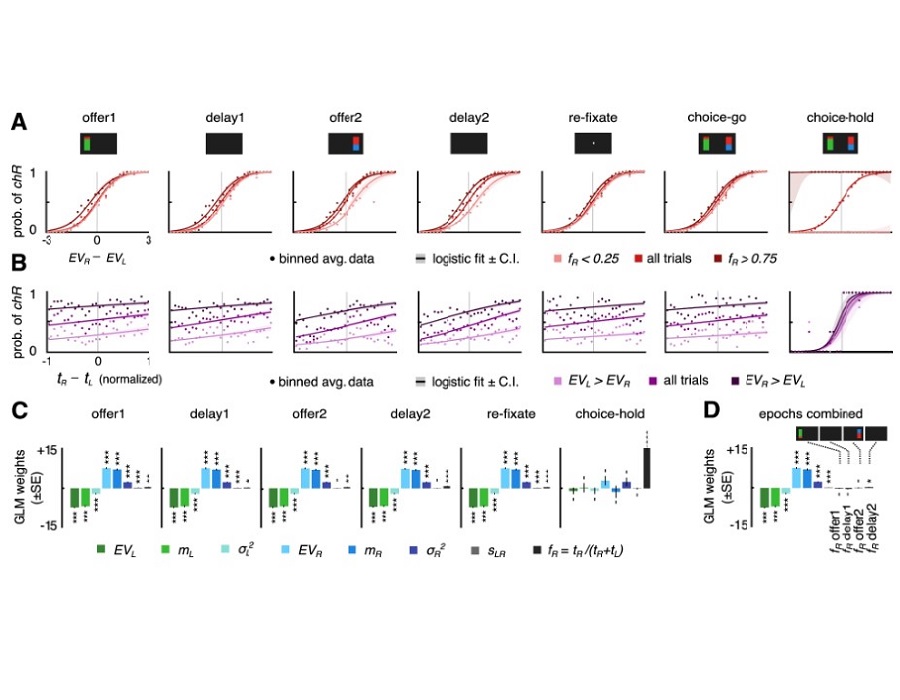
Ferro et al. Nature Communications 2026.
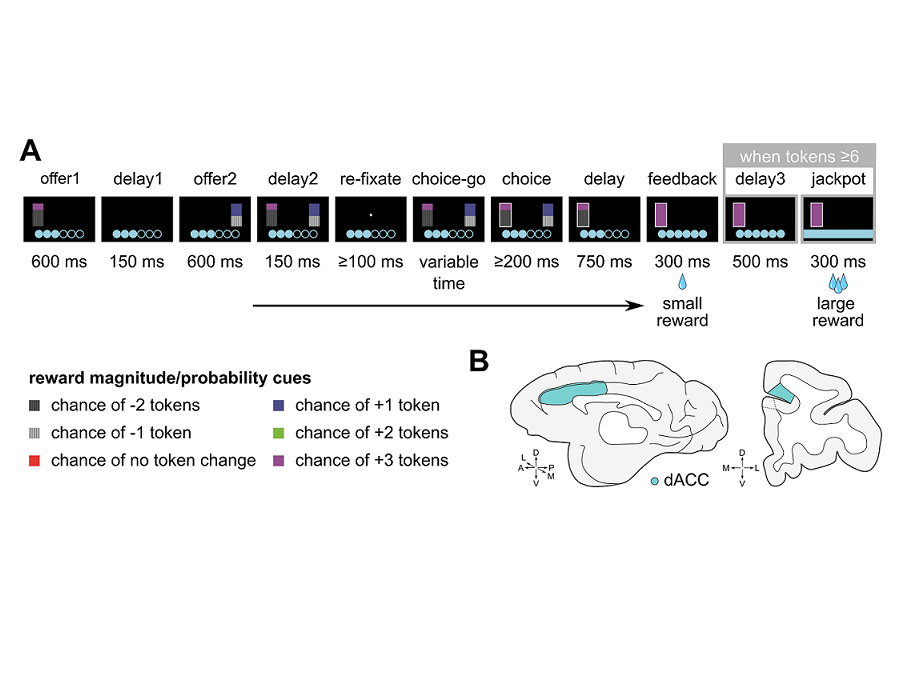
Ferro et al. Nature Communications 2026.
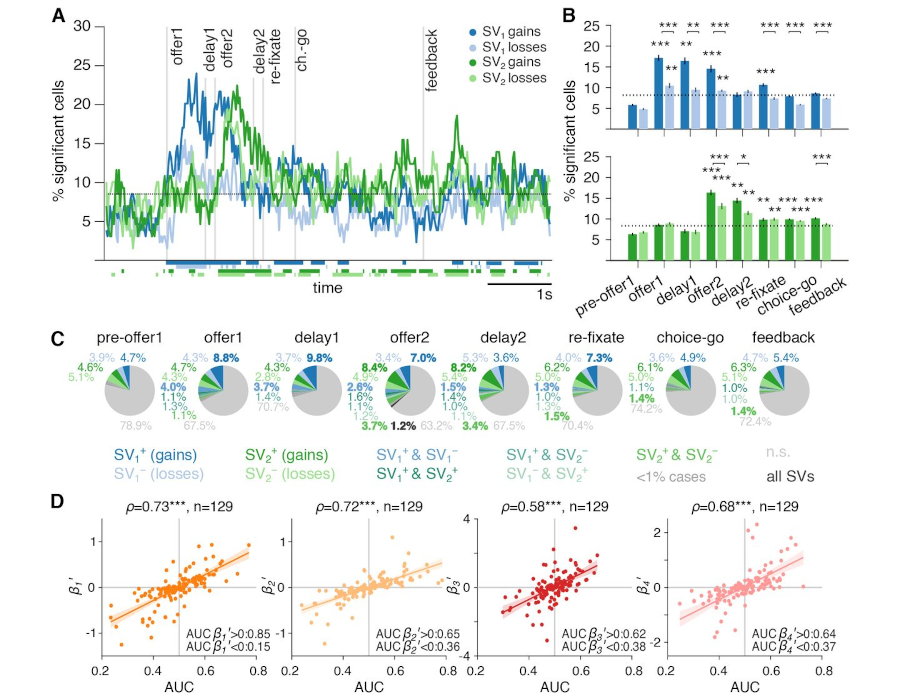
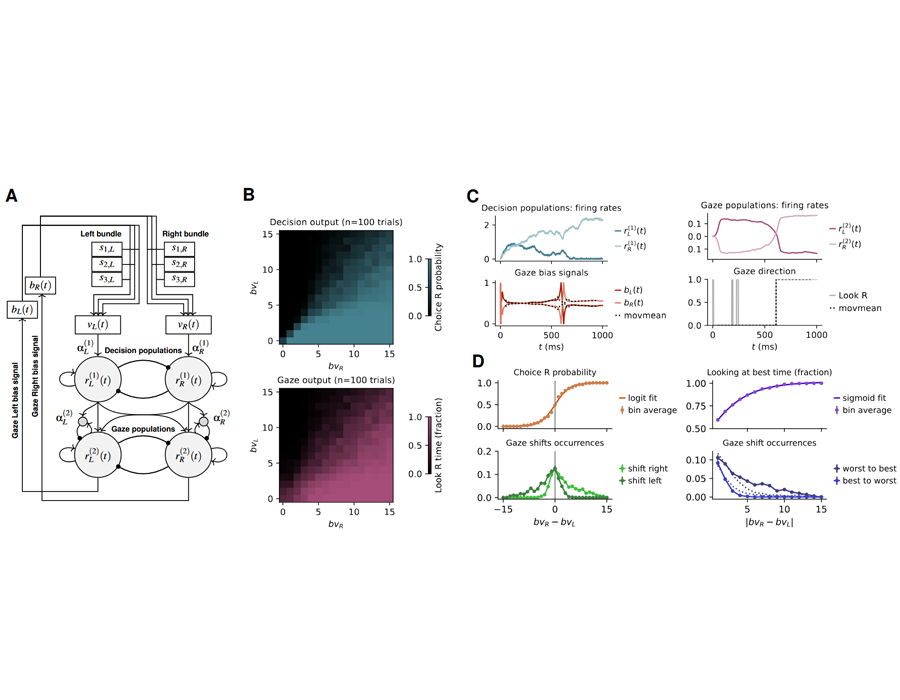

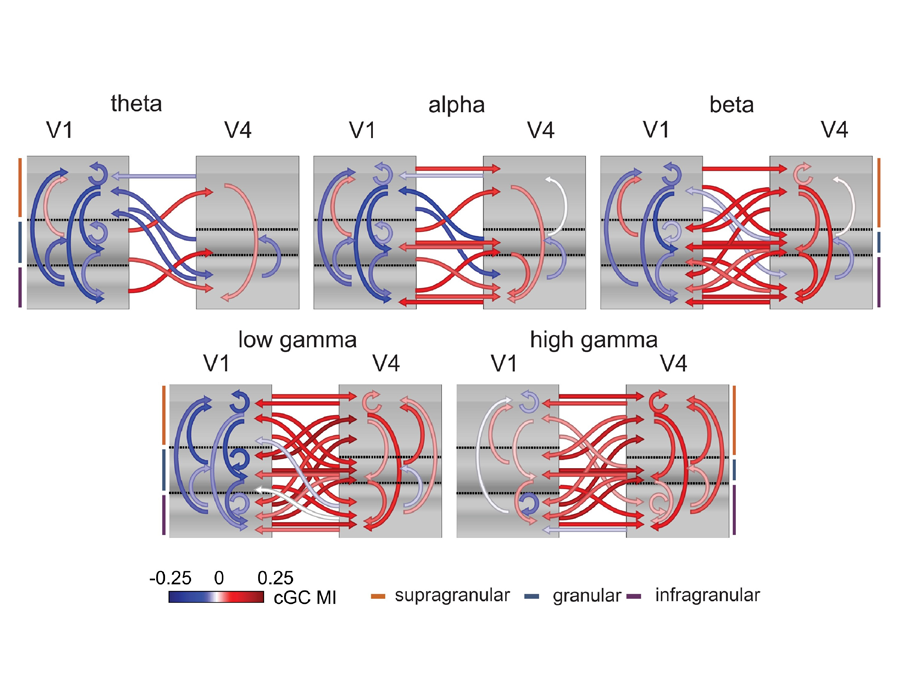
Ferro et al. PNAS 2021.
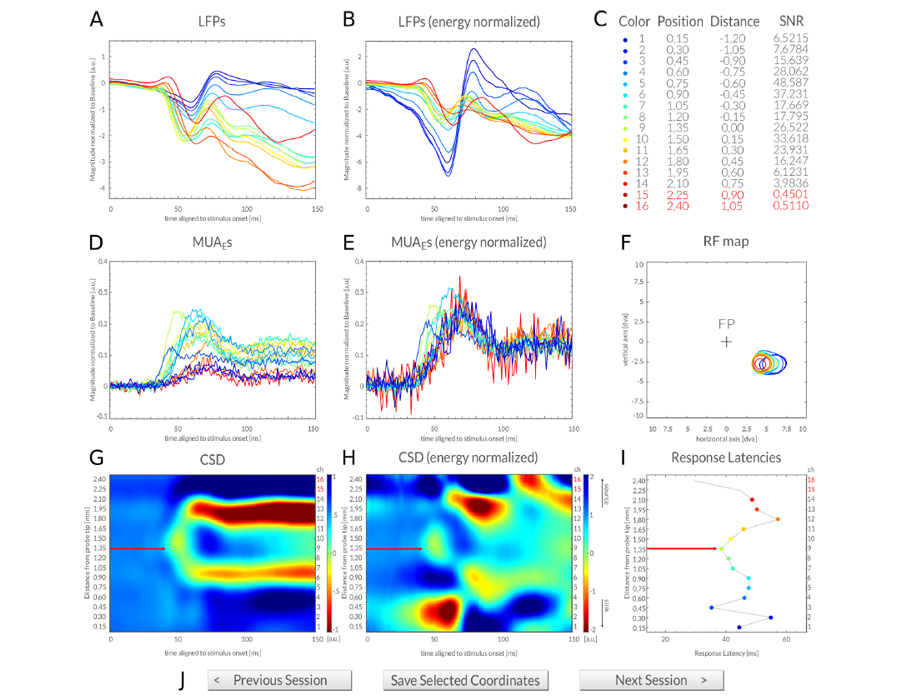
Ferro et al. PNAS 2021.
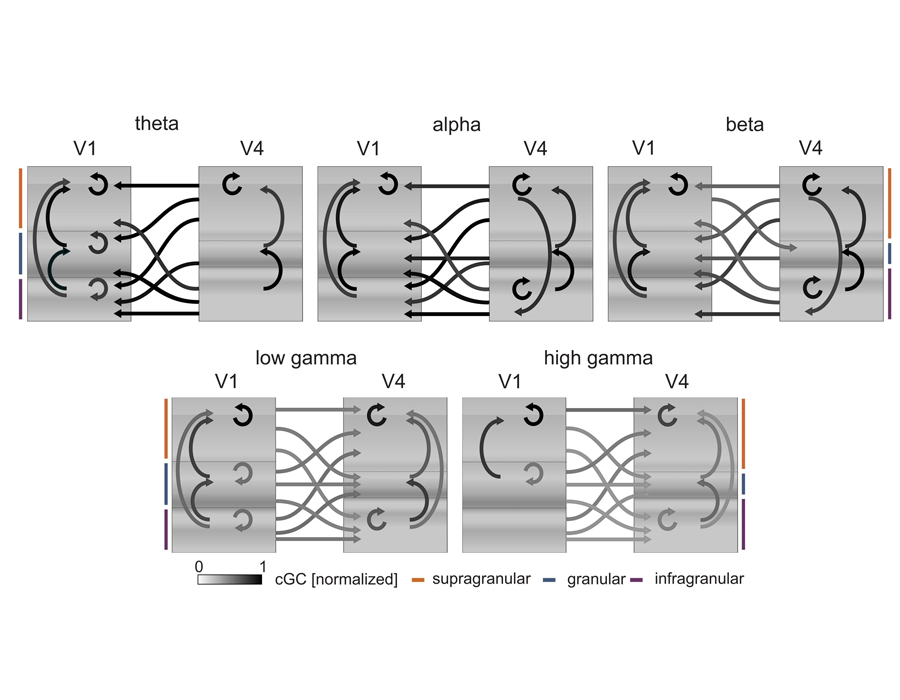
Ferro et al. PNAS 2021.




Research
My research seeks to understand how the brain dynamically transforms sensory evidence and internal goals into adaptive, goal-directed behavior. I develop computational and theoretical models that link neural circuit dynamics with attention, gaze, reward, and decision-making, integrating laminar cortical organization, neural population coding, behavior, eye tracking, and electrophysiological recordings. By connecting these levels of description, I aim to uncover the mechanisms through which internal states continuously reshape the transmission, modulation, integration, and transformation of information across neural circuits, enabling the brain to flexibly adapt its computations to changing behavioral demands.
During my doctoral work, I developed analytical frameworks to characterize laminar and frequency-specific interactions in the primate visual cortex, revealing how attention selectively modulates laminar communication across cortical circuits (PNAS 2021). More recently, I showed that gaze actively gates and reactivates value representations in orbitofrontal cortex, revealing that gaze direction actively contributes to internal cognitive computations (Nature Communications 2024).
A complementary line of research investigates how motivational states influence decision processes. Using token-based reward paradigms, I studied how approaching future rewards reshapes value representations and commitment signals in frontal cortex (Nature Communications 2026). In parallel, I developed computational models of gaze-dependent decisions, proposing closed-loop frameworks in which active visual sampling and evidence accumulation continuously interact (CCNeuro 2025).
My current research integrates theoretical and experimental approaches to understand the neural mechanisms of decision formation. Through collaborations spanning systems and theoretical neuroscience, I investigate how recurrent cortical dynamics generate choices and temporal weighting of evidence, extending attractor and recurrent network models toward biologically grounded accounts of flexible decision-making (bioRxiv 2026).
Ultimately, I aim to establish a unified framework explaining how attention, intention, and gaze interact to shape neural computations across cortical circuits. By integrating laminar neurophysiology, computational modeling, eye tracking, and human neural recordings, my research seeks to uncover the principles through which brains transform sensory information and internal goals into adaptive decisions and actions, with major traslational potential for advancing neural diagnostics, neurorehabilitation, neuroprosthetics and brain–computer interface technologies.
Collaborations
My research combines theoretical, computational, and experimental neuroscience through collaborations with international laboratories studying attention, reward, gaze control, motor planning, and decision-making. Ongoing collaborations include Prof. A. Huk (UCLA, Los Angeles, CA, USA 🇺🇸), Prof. B. Hayden (Baylor College of Medicine, Houston, TX, USA 🇺🇸), Prof. T. Yang (NYU-ECNU, Shanghai, China 🇨🇳), Prof. A. Thiele (Newcastle University, UK 🇬🇧), Prof. S. Grün (Institute for Advanced Simulations, Jülich, Germany 🇩🇪), Dr. T. Brochier (Aix-Marseille University, France 🇫🇷). Previously, I took part to the Human Brain Project (Co-Funded by the European Union 🇪🇺) in the Consortium of Research for Decision Making (CoReDeM), Work Package 2, bringing together theoretical (PIs: Prof. R. Moreno-Bote, Prof. I. Cos, Barcelona, Spain 🇪🇸; Prof. A. Desthexe, Paris, France 🇫🇷) and experimental research groups (PIs: Prof. S. Ferraina, Rome, Italy 🇮🇹; Prof. T. Theys, Leuven, Belgium 🇧🇪).
Engagement
Beyond research, I actively contribute to scientific communities through mentoring, teaching, conference organization, peer reviewing, and public engagement. I co-organize activities within the Barcelona Computational Cognitive Systems Neuroscience community (Barccsyn), contribute to local NeuroChats, participate in SENC, FENS, SCM and SCB initiatives, and engage in citizen science and outreach events including European Researchers' Night, Festa de la Ciència, Pint of Science, and Citizen Science activities within the EUTOPIA network.
Updates
I will be giving a talk at the Italian Network for Computational and Theoretical Neuroscience (INCTN) annual meeting in Trieste, 🇮🇹, where I will present my recent work on computational modelling of temporal evidence weighting 🧠📐 in perceptual decision-making. Looking forward to seeing neuroscience colleagues there!
— Demetrio Ferro, September 23, 2026
Interested in models of dynamical neural network circuit interactions underlying temporal evidence weighting in decision-making? 🧠⏱️ Come visit my poster, "Adaptive temporal weighting across behavior and neural network models", at the Federation of European Neuroscience Societies (FENS) Forum in Barcelona, 🇪🇸.
Tuesday, July 7, 2026, 02:00 PM–05:30 PM. Poster Session 02 – Cognition and Behavior in Decision-Making.
— Demetrio Ferro, July 6, 2026
Excited to share my latest work, now out in @natcomms.nature.com! 🧠🔍 Accumulating virtual rewards enhances both decision-making accuracy and neural value encoding in dorsal anterior cingulate cortex by dynamically shifting a goal-dependent internal reference point. 👉📄 https://doi.org/10.1038/s41467-026-70423-1.
— Demetrio Ferro, March 28, 2026
Today I will present my work entitled "Adaptive temporal weighting across behavior and neural network models" in collaboration with Prof. A. Huk (UCLA) at the Conference on "Systems In Action" in Alicante, 🇪🇸. [poster]
— Demetrio Ferro, March 16, 2026
Today I will present my work entitled "A closed-loop model for the coordination of gaze control and decision-making" in collaboration with Dr. T. Yang (Shanghai University) at the Conference on "Cognitive, Computational Neuroscience" in Amsterdam, 🇳🇱. [abstract] [poster]
— Demetrio Ferro, August 15, 2025
Today I will present my work entitled "Decision-making reference point biases in the dorsal anterior cingulate cortex" in collaboration with Prof. B. Hayden (Baylor College Medicine) at the Conference on "Cognitive, Computational Neuroscience" in Amsterdam, 🇳🇱. [abstract] [poster]
— Demetrio Ferro, August 12, 2025
I will be presenting at Neurochats💬! This series of events brings together young neuroscientists based in the metropolitan area of Barcelona, fostering knowledge exchange about each other's work. The event will be on Wednesday May 14th at Campus de la Ciutadella, room 24.S01.
— Demetrio Ferro, May 10, 2025
On Monday, April 7th, I will be presenting my recent preprint work at the Centre Recerca Matematica (CRM) 🧮, in the Brain Circuits and Behavior meeting.
— Demetrio Ferro, April 4, 2025
I Just posted a @biorxiv-neursci preprint! 📝 In this work we show that accumulating tokens towards a jackpot enhances decision speed and accuracy, as well as value encoding in dorsal anterior cingulate cortex 🧠. Thanks to @MorenoBote, @BenHayden, and @upf.edu. DOI: 10.1101/2025.03.03.640771.
— Demetrio Ferro, March 10, 2025
I am attending the 10th Barccsyn Retreat, a social event bringing together cognitive, computational and systems neuroscientists based in Barcelona in a fun experience combining scientific 🥼, social 🫱🏽🫲🏻, and outdoors 🏊🏽 activities. This year, for the second time, I had the pleasure to join the organization committee.
— Demetrio Ferro, November 28, 2024
I am attending the PostDoc day in Biomedical Research, organized by the Instituto de Recerca Biomedica (IRB) 🩺, Vall d’Hebron Institute of Oncology (VHIO) 👩🔬 and the Societat Catalana de Biologia (SCB) 🧫.
9.00h-17.30h, October 29, 2024. Sala Pere i Joan Coromines, Institut d'Estudis Catalans, Barcelona, Programme.
— Demetrio Ferro, October 29, 2024
My research will be presented in a Talk 💬 at the Swammerdam Institute for Life Sciences (SILS), System Cognitive Neuroscience Group (SCN) at the Faculty of Science, University van Amsterdam, Netherlands 🇳🇱.
17.00h-18.00h, October 15, 2024. Room A1.28 at Science Park 904, 1098 XH Amsterdam, Netherlands, Abstract.
— Demetrio Ferro, October 10, 2024
My interview about gaze 👀 and item value encoding in orbitofrontal cortex 🧠 for decision making is out in UPF News. Check the full research article.
— Demetrio Ferro, September 26, 2024
My research is out on Nature Communications.
The study shows that gaze 👀 plays a crucial role in #decisionmaking, allowing dynamic encoding for offer evaluation in the orbitofrontal cortex 🧠. Sincerely grateful to coauthors @MorenoBote, @BenHayden, and supporters!
— Demetrio Ferro, July 22, 2024
My research will be presented in a Talk 💬 at the International Conference on Thinking 2024 (ICT2024)
Organized by Centro Congressi Internazionale (CCI) at Milano Bicocca University (UniMiB), in Milan, Italy 🇮🇹.
Session 17E: Decision Making, Talk N.65, Room U6-23, Programme P.27
— Demetrio Ferro, June 12, 2024
Outreach
Excited to present my work at CASES 2026 in Turin, 🇮🇹! 🧠👁️ I will discuss how gaze dynamically orients attentional and intentional drives to shape our cognitive functions. Come join the discussion—participation is free with registration!
— Demetrio Ferro, September 18, 2026
Thanks to @enginyeria-upf.bsky.social and @upf.edu for sharing UPF NEWS Enginyeria about our work! Our study shows how goal-directed drives reshape value coding in the dorsal anterior cingulate cortex (dACC), promoting faster, more focused, and less risky decisions. 🧠🎯
— Demetrio Ferro, September 14, 2026
Excited to contribute to a CASES (Citizen Art-Science Engagement Strategies) citizen-science event as part of EUTOPIA Impact and Dissemination! 🌊🔬 Together with school students, we will collect microplastics on the beach and contribute to assessing the environmental status of the coastal ecosystem.
Malgrat de Mar, Spain 🇪🇸, as part of the European Project PA-MAP 🇪🇺 in collaboration with Maria Montessori School and the Center for Studies on Planetary Well-being (Universitat Pompeu Fabra).
— Demetrio Ferro, May 28, 2026
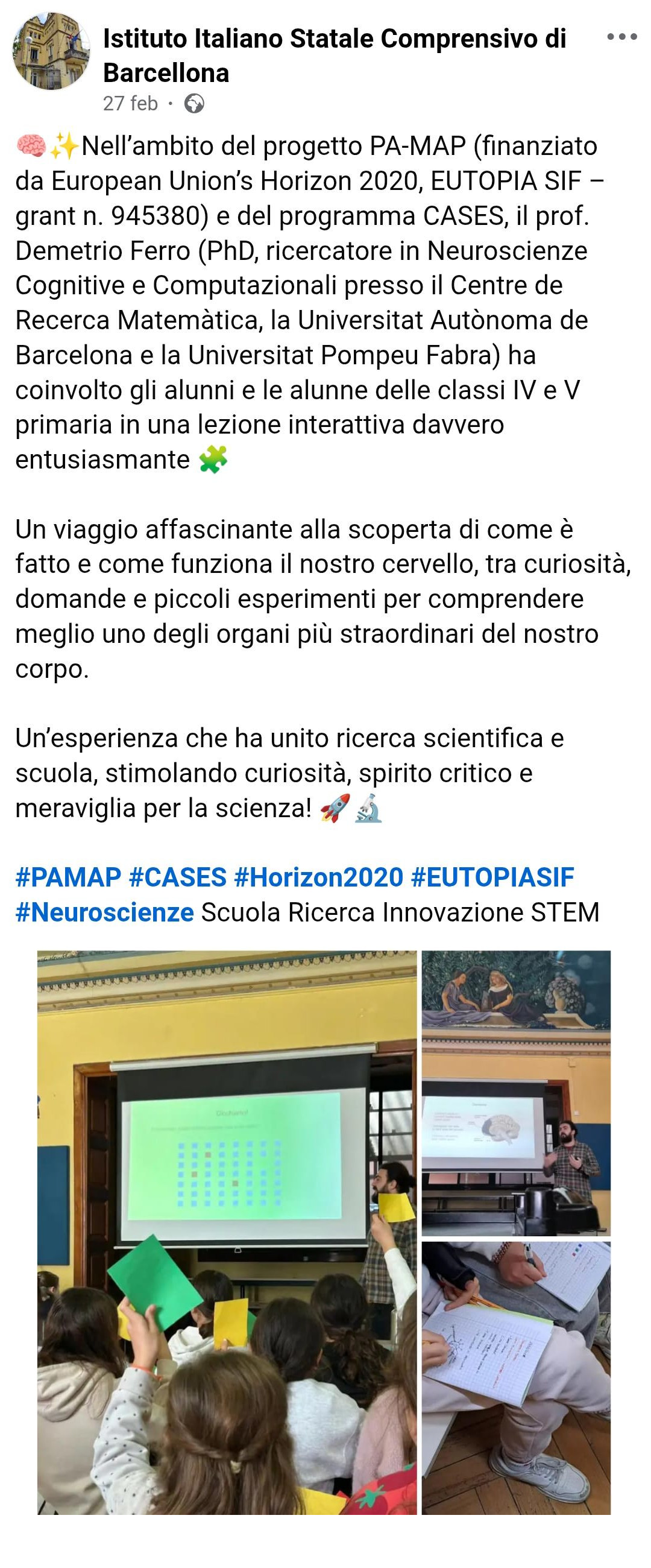
Enthusiastic to introduce the wonders of the brain to primary school students at the Istituto Italiano Statale Comprensivo di Barcellona 🇮🇹 (post on social feed) through the Citizen Art-Science Engagement Strategies (CASES), 🇪🇺 EUTOPIA Impact and Dissemination organized by Dr. O. Salimbene (Polytechnic of Turin, Italy) in Barcelona, Spain.
— Demetrio Ferro, February 27, 2026
I’m thrilled to be featured in Il Sole 24 Ore 📰, where I had the incredible opportunity to discuss my professional mission and vision for the future 🙌! Huge thanks to Vincenzo Moretti for the insightful conversation.
(link to the English version.)
— Demetrio Ferro, Nov 8, 2025
I will present my research about attention and cognitive control at the Citizen Art-Science Engagement Strategies (CASES) meeting, an 🇪🇺 EUTOPIA Impact and Dissemination promoting highly transdisciplinary exchange across scientists 🔭, artists 🖼️, and involving schools and citizens 🏘️. Organized by Dr. O. Salimbene (University of Ljubljana) at Universitat Pompeu Fabra in Barcelona, Spain.
— Demetrio Ferro, July 2, 2025
So excited to share that I was recently interviewed by Universitat Pompeu Fabra about my work on Gaze-Centered Decision Making, recently published in Nature Communications. Couldn’t be more grateful for the chance to discuss this fascinating research!
— Demetrio Ferro, Sept 23, 2024
Enthusiastic to join the Citizen Art-Science Engagement Strategies (CASES) meeting, an 🇪🇺 EUTOPIA Impact and Dissemination event bringing together highly transdisciplinary science 🔭 and citizens 🏘️, setting up incredibly efficient collective discussion and informative share of ideas organized by Dr. O. Salimbene (University of Ljubljana) at Universitat Pompeu Fabra in Barcelona, Spain.
— Demetrio Ferro, September 20, 2024
My latest feature on Eurekalert! by the American Association for the Advancement of Science highlights recent breakthroughs from my research, including my work on visual attention, which was published in PNAS. Grateful for the recognition and the continued interest in the field!
— Demetrio Ferro, 7 Apr 2021
It was great to be featured on Medical Xpress, where we explored the role of attention in modulating cortical brain cells, a topic closely linked to my recent publication on visual attention in PNAS. Exciting times for the neuroscience community!
— Demetrio Ferro, 7 Apr 2021
A recent article on Bioengineer.org delves into the latest findings on how attention affects the structure and function of cortical brain cells, a concept related to my research on visual attention, published in PNAS. Glad to see our research resonating with the community!
— Demetrio Ferro, 7 Apr 2021
The latest from News-Medical Life Sciences covers how attention modulates signal propagation in brain circuits, a process central to my work on visual attention, recently published in PNAS. Thrilled to see this work getting attention!
— Demetrio Ferro, 7 Apr 2021
My interview with Universitat Pompeu Fabra gives an in-depth look at my ongoing projects, including my work on visual attention published in PNAS. Excited to share insights on my future steps in research!
— Demetrio Ferro, 23 March 2021